| Prof. Merete Nordentoft | Prof. Helen Killaspy | Lars Linderoth |
| Melita Murko | Dr. Sam Tsemberis | Prof. David Fowler |
| Kasper Grubak Jensen |

Merete Nordentoft
Professor, Director of research, chief physician. Copenhagen Research Center for Mental Health, Copenhagen University Hospital
Merete Nordentoft, Professor of Psychiatry at the University of Copenhagen and Director of Research at CORE, has significantly influenced mental health care. She pioneered the OPUS program in 1998, an early intervention service for first-episode psychosis that has become standard practice, reducing hospitalizations and improving outcomes. Her research has shaped Denmark's National Plan for Suicide Prevention, leading to the establishment of regional suicide prevention clinics with national coverage.
Nordentoft’s studies have highlighted the heightened risks faced by children of parents with severe mental illness, advancing awareness and targeted support for this vulnerable group. As President of the Danish Psychiatric Society (2021–2025), she has been a strong advocate for enhanced psychiatric funding, particularly through Denmark’s 10-Year Plan for Psychiatry.
Find the abstract here
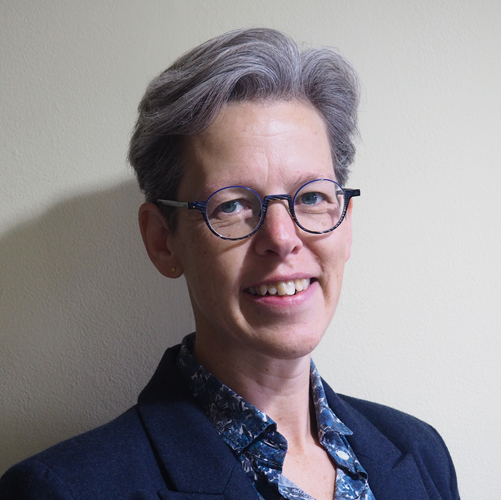
Helen Killaspy
Professor and Honorary Consultant in Rehabilitation Psychiatry at University College London and North London NHS Foundation Trust
She leads national and international research programmes that focus on the assessment of quality of care for people with complex mental health problems and the evaluation of complex interventions for this group. She is former Chair of the Faculty of Rehabilitation and Social Psychiatry of the UK Royal College of Psychiatrists. In 2019 she was awarded the Pascale-Boyle prize by the European Psychiatric Association for ‘outstanding achievement by a woman in working to improve mental health care in Europe’. She was the Topic Advisor for the first NICE Guideline on mental health rehabilitation, published in August 2020. In 2021 she was awarded a Lifetime Achievement Award by the Faculty of Rehabilitation and Social Psychiatry of the Royal College of Psychiatrists.
Find the abstract here
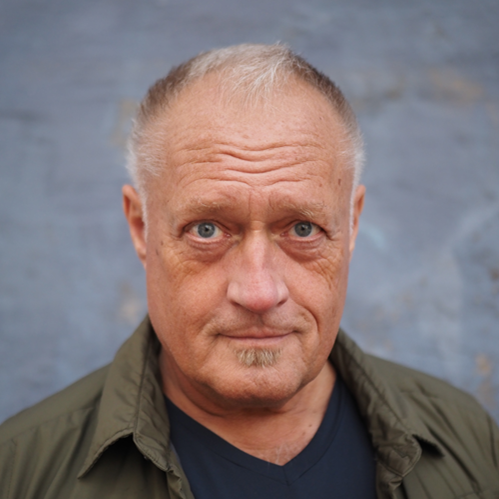
Lars Linderoth
Psychiatrist. Addiction specialist
Lars Linderoth is a Norwegian psychiatrist and addiction specialist and has worked in psychiatric care since 1990. He is now retired and works with coaching, lecturing and writing. From 1995 he has worked as a clinician mainly with severely ill patients with dual diagnosis, most of the time in the Oslo area working in outpatient settings and in outreach teams, such as FACT.
He has been involved in service planning both in the south east region of Norway and in the northern region. He participated in the writing of national guidelines for dual diagnosis, both in specialist care and community settings published in 2011. He has been part of the national and nordic network for DD for a number of years.
In addition serving as a consultant in translating two manuals for treating DD, writing a chapter in a norwegian textbook on the same topic and also other texts related to DD. He is a keen advocate for including the most severely ill people in the services, first of all outpatient and reaching out. In these settings he has experienced that it is more than possible to accieve significant results from treatment. In his speach he will focus on a variety of possible gaps between services leading to a poorer outcome and suggest actions to bridge such gaps.
Find the abstract here
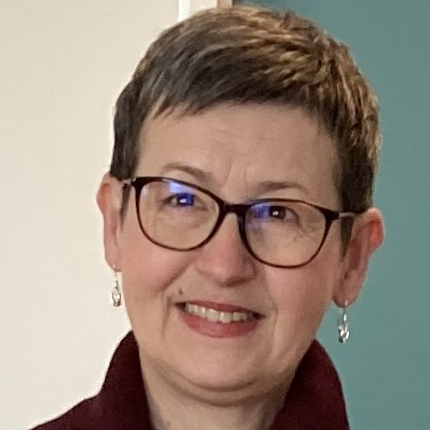
Melita Murko
Technical Officer, WHO Regional Office for Europe
Melita works as a Technical Officer in the Mental Health team at the WHO Regional Office for Europe. She is a psychologist by training and has over twenty years of experience in the field of mental health, with a focus on promoting rights-based and recovery-oriented mental health care. The largest inter-country projects she has coordinated include the Mental Health Project for South-eastern Europe, implemented under the Stability Pact’s Social Cohesion Initiative from 2002-2008, the 2011 WHO European Declaration Better health, better lives: children and young people with intellectual disabilities and their families, and the ongoing implementation of the WHO QualityRights initiative across the WHO European Region. She is currently part of the team implementing the EU-funded project Addressing mental health challenges in the European Union, Iceland, and Norway.
Find the abstract here
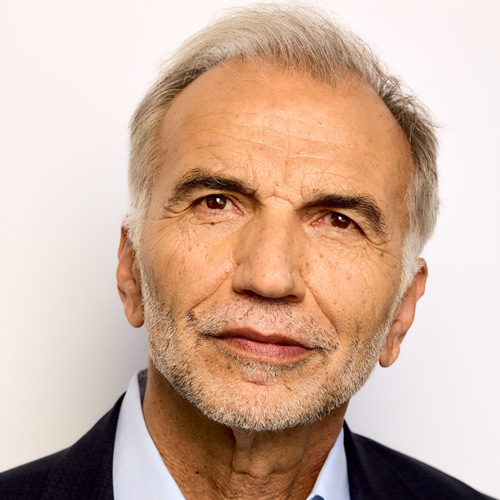
Sam Tsemberis
Professor, Pathways Housing First Institute/ Faculty UCLA
Sam Tsemberis is a Greek American clinical-community psychologist who developed the Housing First program based on the belief that housing is a basic human right. Housing First is highly effective in ending homelessness for people with severe mental health and addiction problems. The program is successfully implemented in cities across the globe. Dr. Tsemberis is the CEO of the Pathways Housing First Institute and Clinical Associate Professor, at UCLA Department of Psychiatry. He has published numerous articles and two books on these topics and received wide recognition for his work including the American Psychological Association, The Government of Canada, and in 2024 was recognized as one of the TIME magazine 100 world’s most influential people.
Find the abstract here
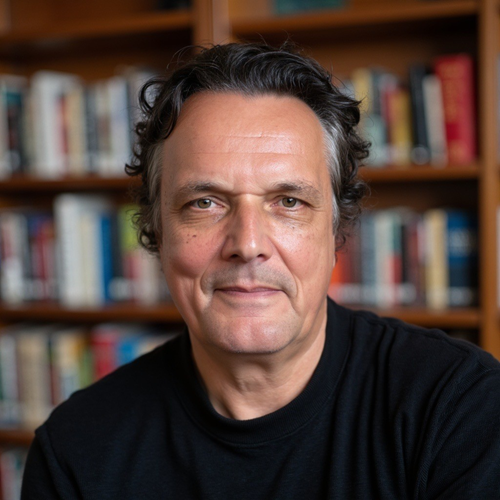
David Fowler
Professor, University of Sussex
David Fowler has more than a 30 year track record of research in severe mental illness, he was a pioneer of cognitive behaviour therapy for psychosis and early intervention in psychosis services. He currently leads a programme of research developing and evaluating psychological interventions and services people with severe mental illness and social disability. His work has informed the development of novel mental health services in the UK and globally. Fowler continues to contribute to development and evaluation of psychological interventions in psychosis which has completed a series of large national multicentre trials. Prof Fowler leads the mental health theme of the NIHR Kent Surrey and Sussex Applied Research Collaboration (KSS ARC) which links researchers with NHS and social service providers across the region and NIHR mental health researchers nationally. He has published over 200 papers.
Find the abstract here
Kasper Grubak Jensen
Kasper Jensen is 33 years old and was diagnosed with schizotypal personality disorder at the age of 25 in late 2015. From 2016 to 2018, Kasper received treatment through the OPUS program, which significantly improved his condition. When Kasper first came into contact with the psychiatric system, he was homeless, staying at a homeless shelter, and had lost contact with his family. Through a targeted effort focused on practical exercises in real-life settings, Kasper rebuilt his relationships with family and friends. He secured his own apartment and began pursuing an education. Today, Kasper works full-time as a project manager, is a member of the OPUS panel, and contributes as a commentator for the media outlet Altinget.
Kasper's presentation will focus on how outreach efforts in real-world settings provide essential training and development in daily life that cannot be simulated or practiced in the safety of a clinical treatment room.
Find the abstract here